Lime harling, pointing and limewash:
Lime Harling
Breathable finishes for Scotland's traditional buildings
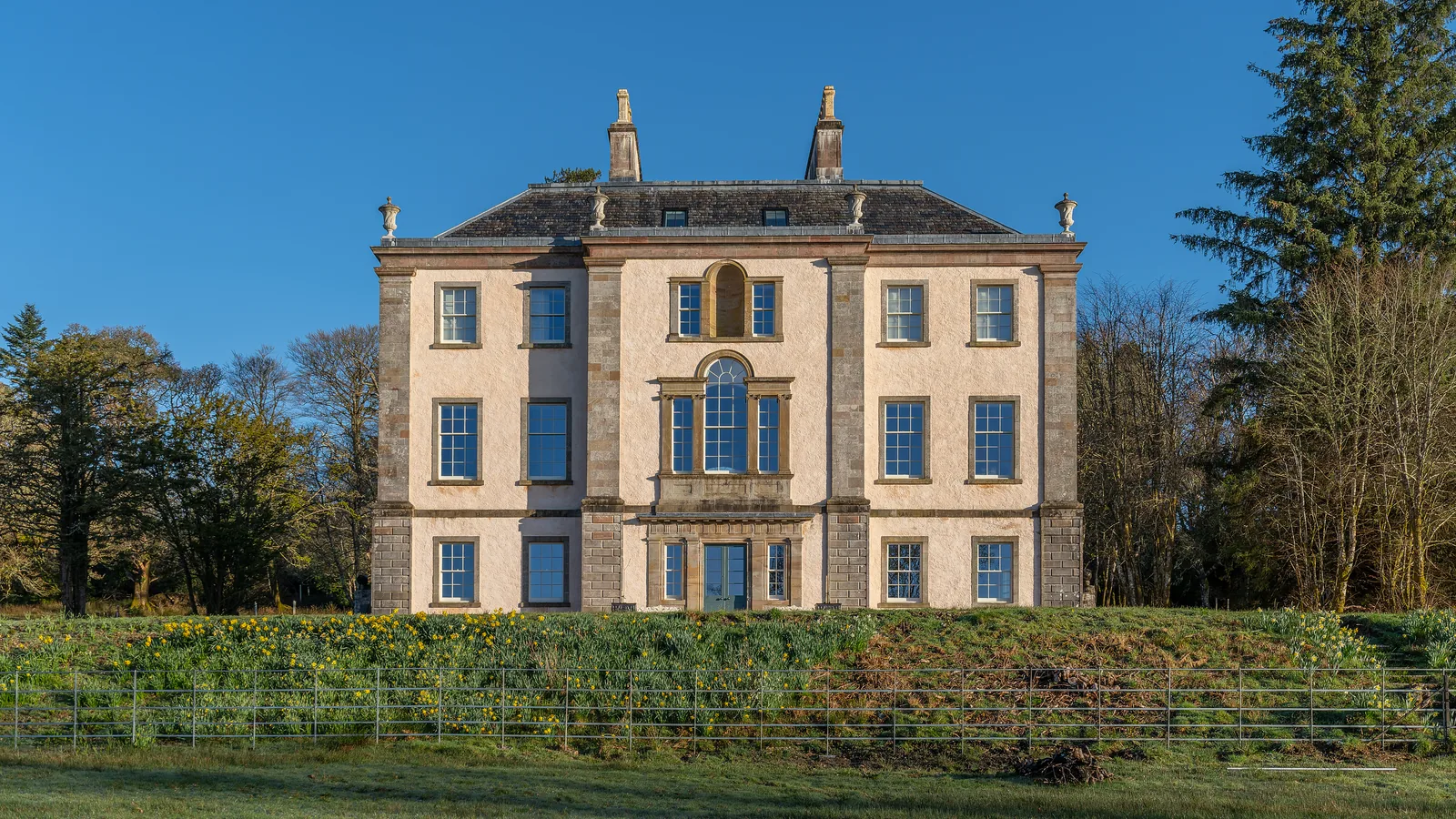
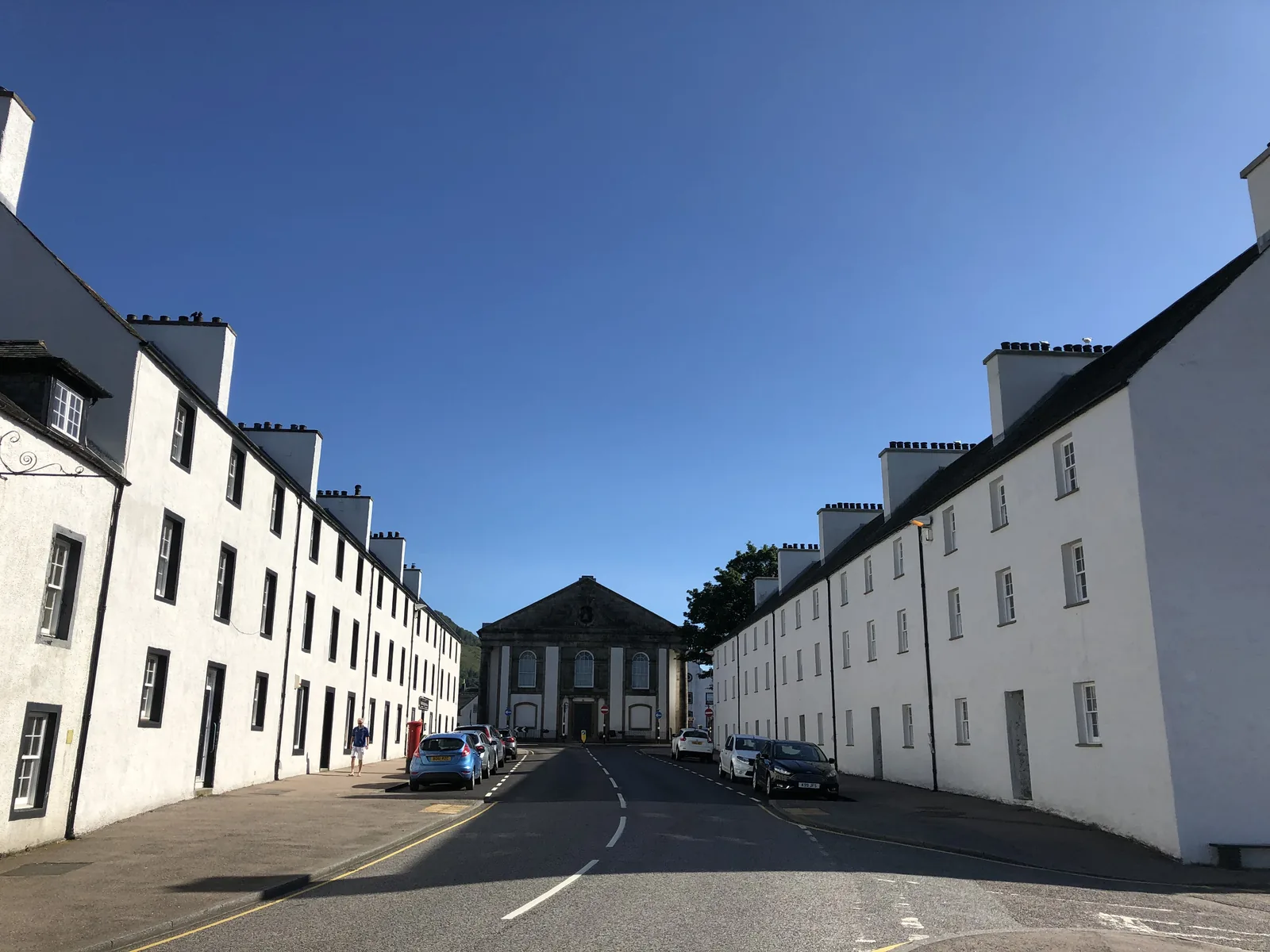
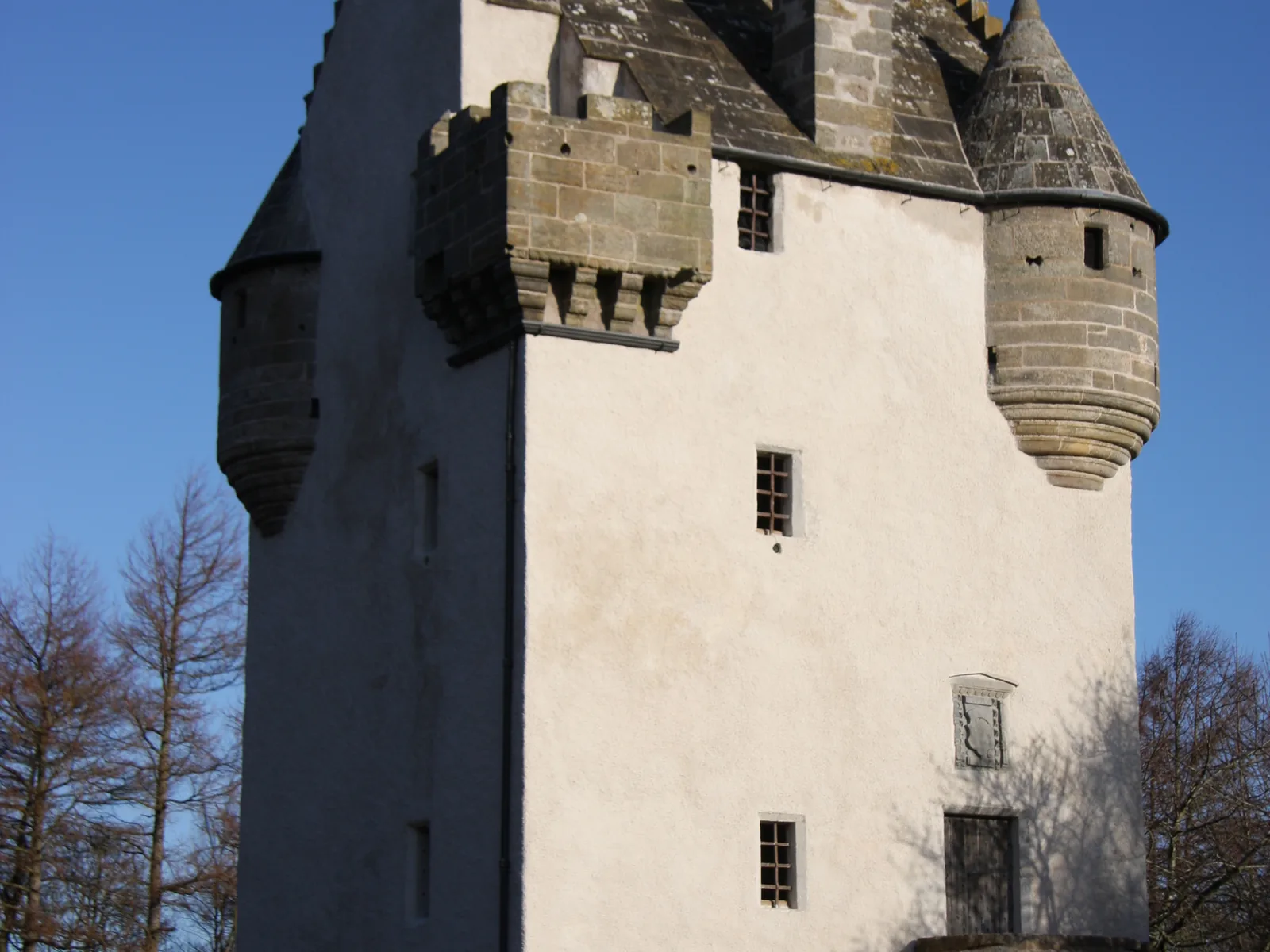
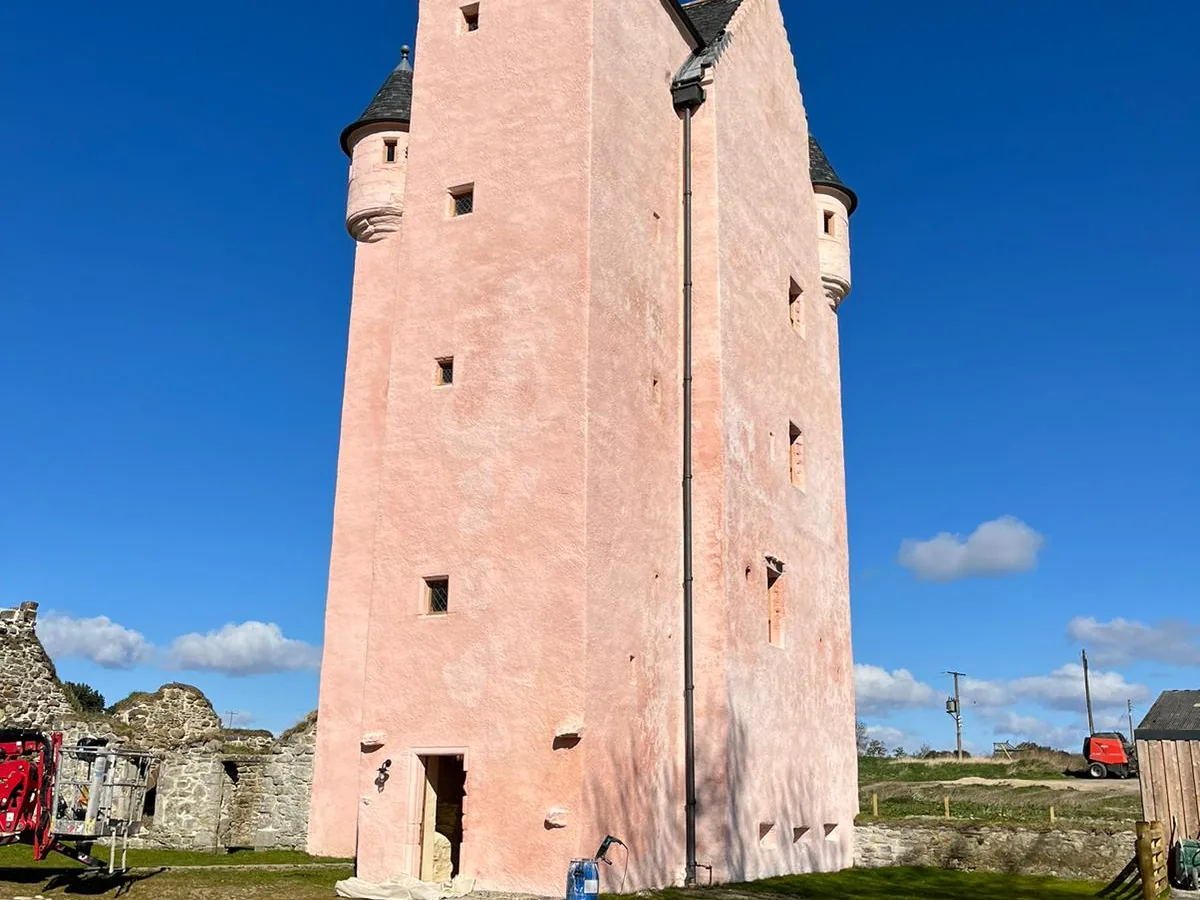
Harling is Scotland's traditional weather coat: a lime mortar thrown onto rubble walls to shed the rain and let the wall dry out again. LTM has been harling, pointing and limewashing historic buildings since 1999, from the pink harl of Craigievar Castle to the tenements of Inveraray's Main Street. We mix and cast our own lime, we match colour and texture to what survives, and we take failed cement off before we start, because a wall that cannot breathe will never dry.
Why lime, not cement
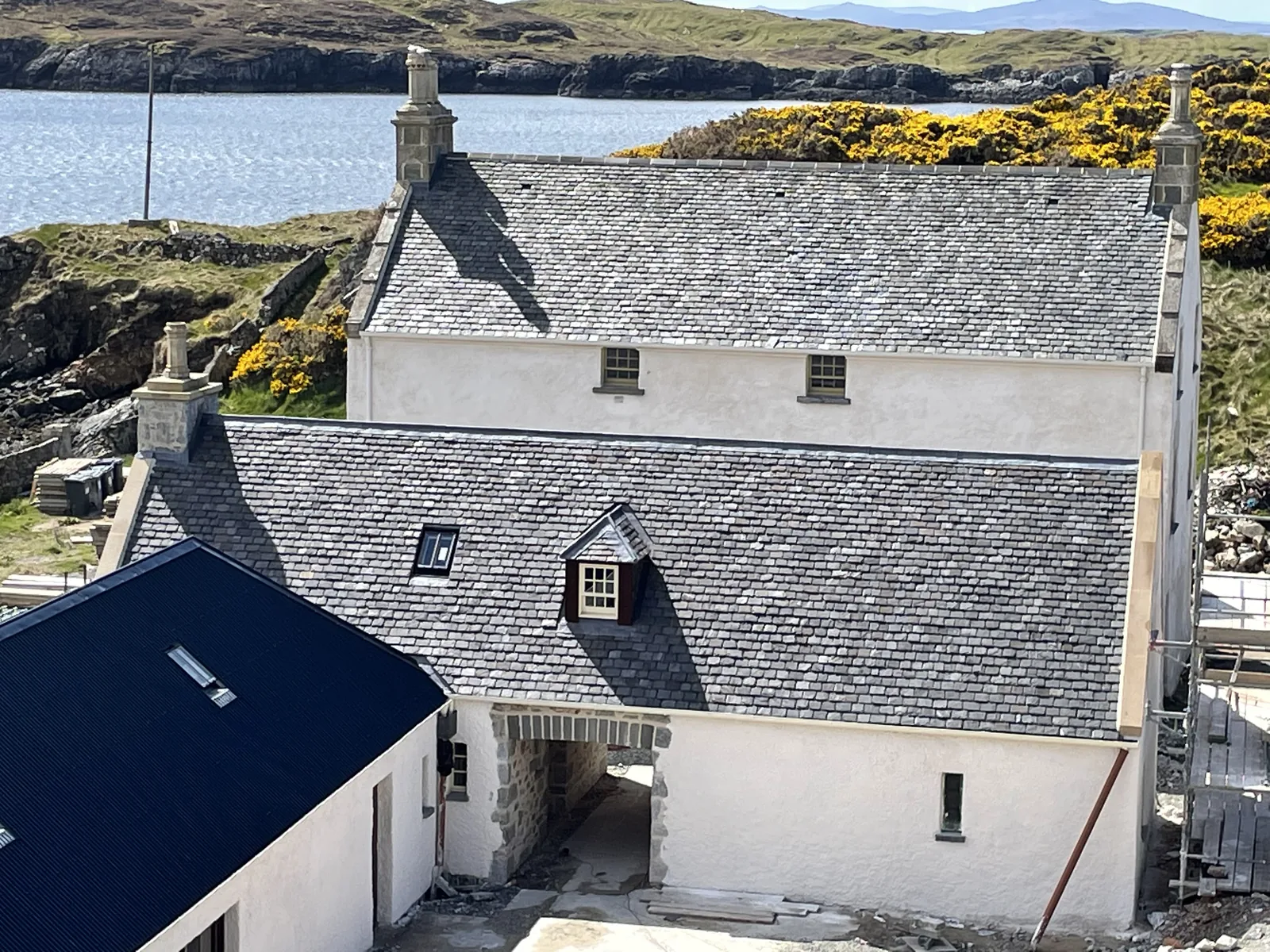
Most of Scotland's older buildings are rubble walls built in lime, and they rely on their harl and pointing to take the weather and let moisture back out. Cement render and cement pointing do the opposite: they trap water in the wall, the stone decays behind them, and when they crack the water gets in and cannot get out. A great deal of our harling work therefore begins by taking failed cement off, as at Cromwell Tower in Old Aberdeen, Rock House on Calton Hill and Clebrig Lodge in Sutherland: raking out the joints, repairing the stone where the cement has damaged it, and putting the wall back into lime.
How we harl
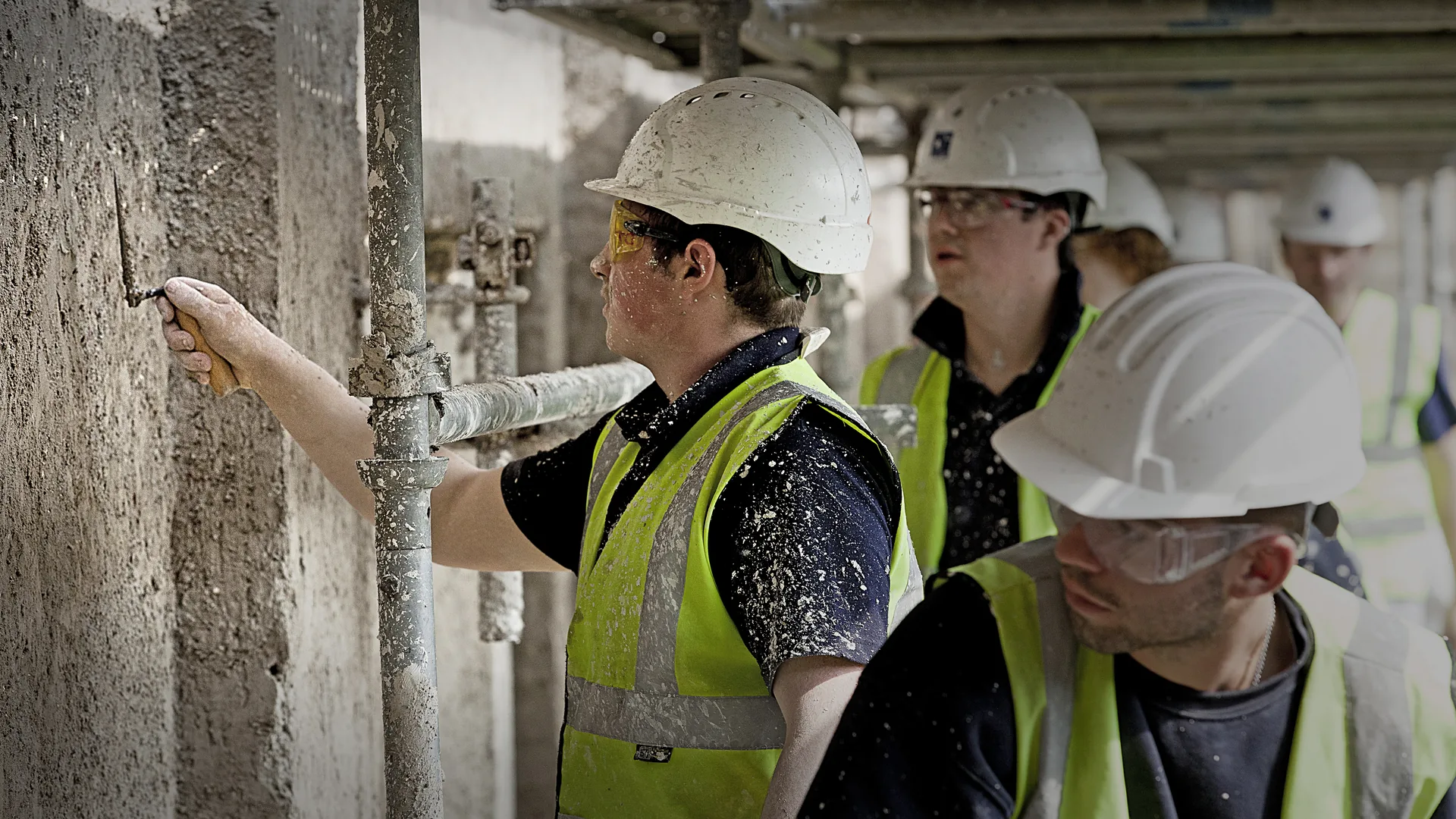
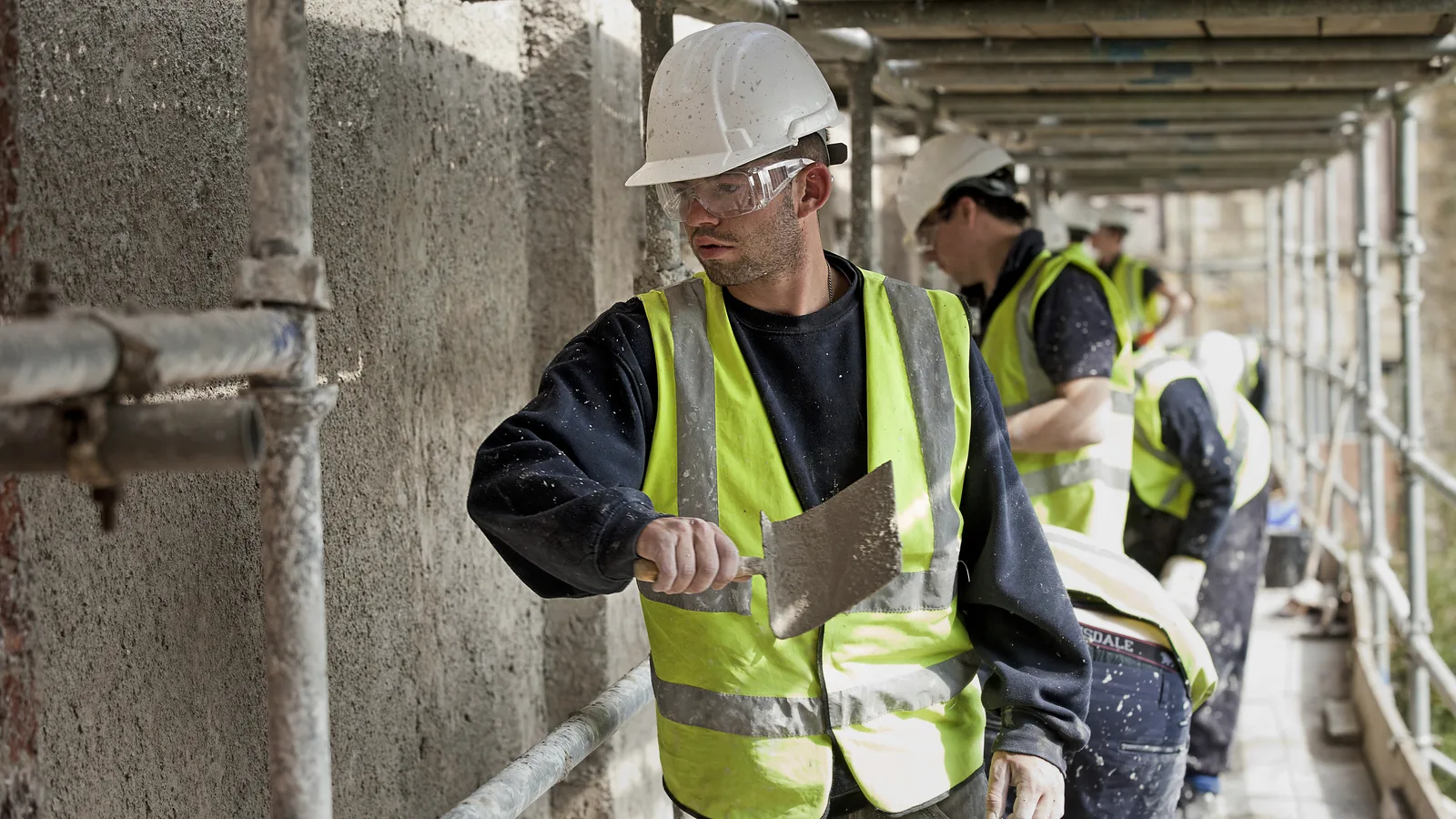
The wall is prepared first: hollows dubbed out, loose stone pinned and repaired, and where the masonry is saturated with salts, poulticed before any lime goes on, as we did at Asknish House. The harl is mixed on site, usually a hot-mixed or gauged hot lime, and thrown onto the wall by hand with a harling trowel in two or more coats, each left to carbonate before the next. Hand casting gives the lively, slightly uneven surface that machine-sprayed render cannot, and it is what the old buildings had. Margins, skews and arrises are finished to the building's own detailing, and the new harl is protected while it cures, with hessian, screens and heating in cold weather and shading and misting in hot.
Lime pointing
Where a wall is to stay exposed, we repoint it in lime matched to the original by analysis: the same kind of binder, the same aggregate colour and grading, the same joint profile, whether flush, slightly recessed or struck with pinnings. Joints are raked out by hand to a proper depth, dampened, packed in lifts and finished with a stiff brush or a wooden float once the mortar has taken up, so the finish is open-textured and the lime, not the stone, does the weathering.
Getting the colour right
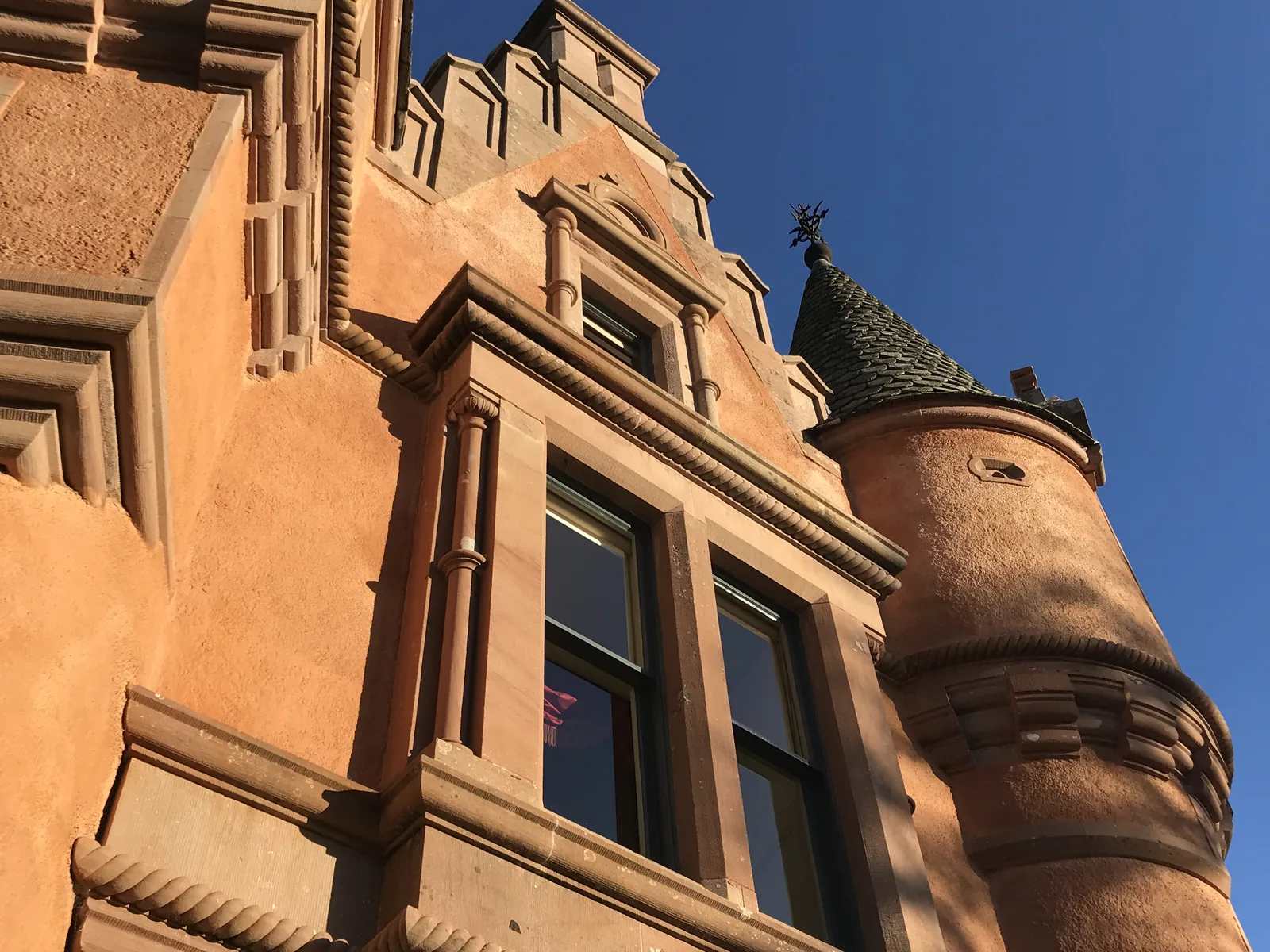
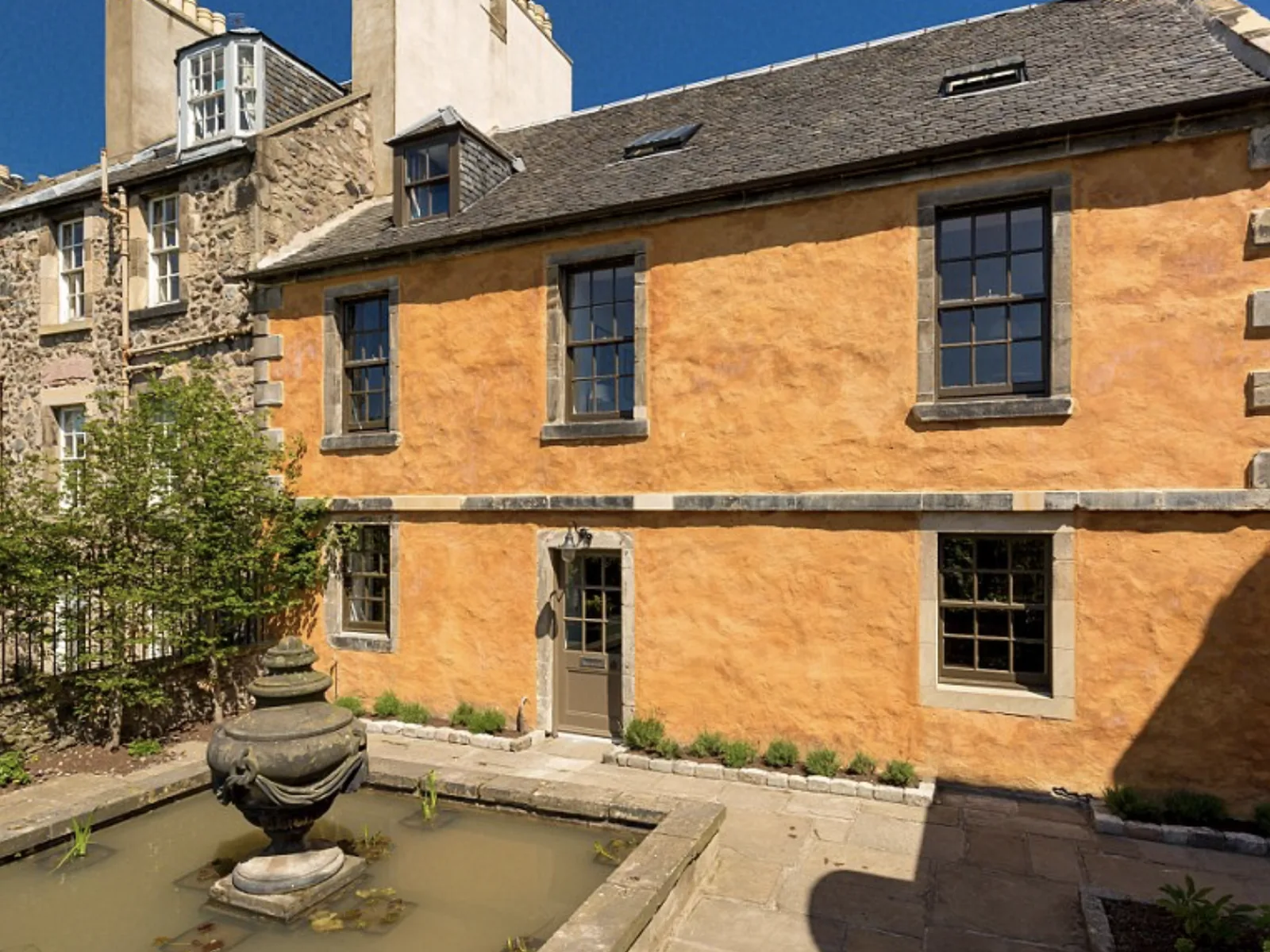
Limewash is the finish that gives a harled building its colour, and it is applied thin and often: several coats, each brushed well in and left to carbonate. We match surviving fragments of historic limewash by analysis and by sample panels on the wall, in the light the building actually stands in. The deep warm colour at Aldourie Castle and Craigievar is a copperas limewash, which we boil during slaking to reach the darkest tones; elsewhere it is earth pigments or plain white. Limewash is sacrificial, so we tell owners what to expect and when to renew it.
What it means for your building
A wall that can dry out
Cement removed, stone repaired and the whole wall back in lime, so moisture can leave the way it came in and the decay behind hard render stops.
The right colour and texture
Hand-cast harl and limewash matched to what survives on the building, proved on sample panels before a whole elevation is committed.
Lime from people who teach it
We deliver lime mortar training for the Building Limes Forum and the Scottish Traditional Skills Training Centre, and we train our own apprentices through our SQA-approved traditional skills academy.
Cement on a rubble wall?
Tell us about the building and we will come and look, take a mortar sample if it needs one, and come back with a proposal for putting it right in lime.
Lime harling on site
Harling case studies
- Aldourie CastleCase study →
- Craigievar CastleCase study →
- Cromwell Tower, King's CollegeCase study →
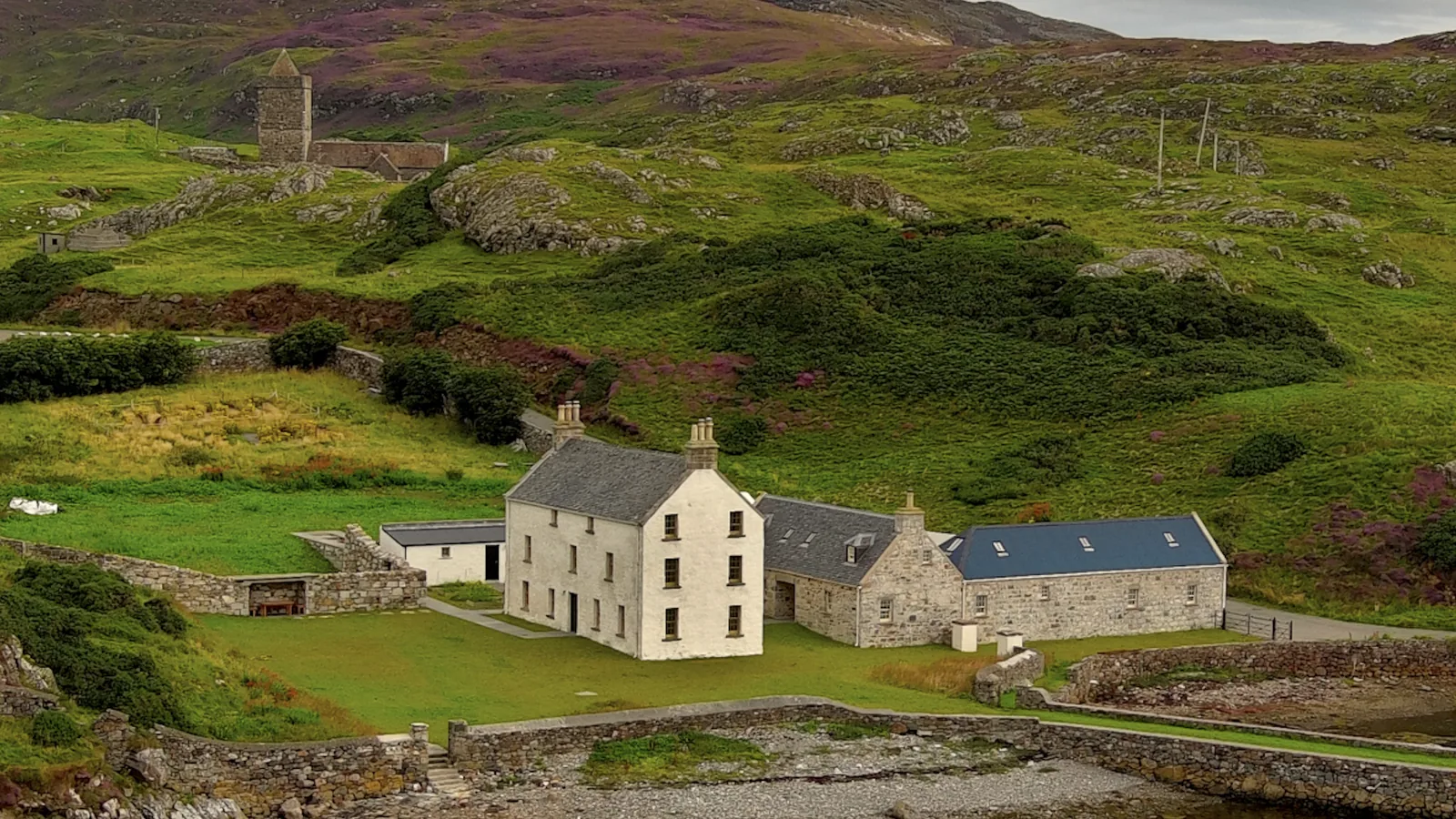
- Rodel House, HarrisCase study →
- Asknish HouseCase study →
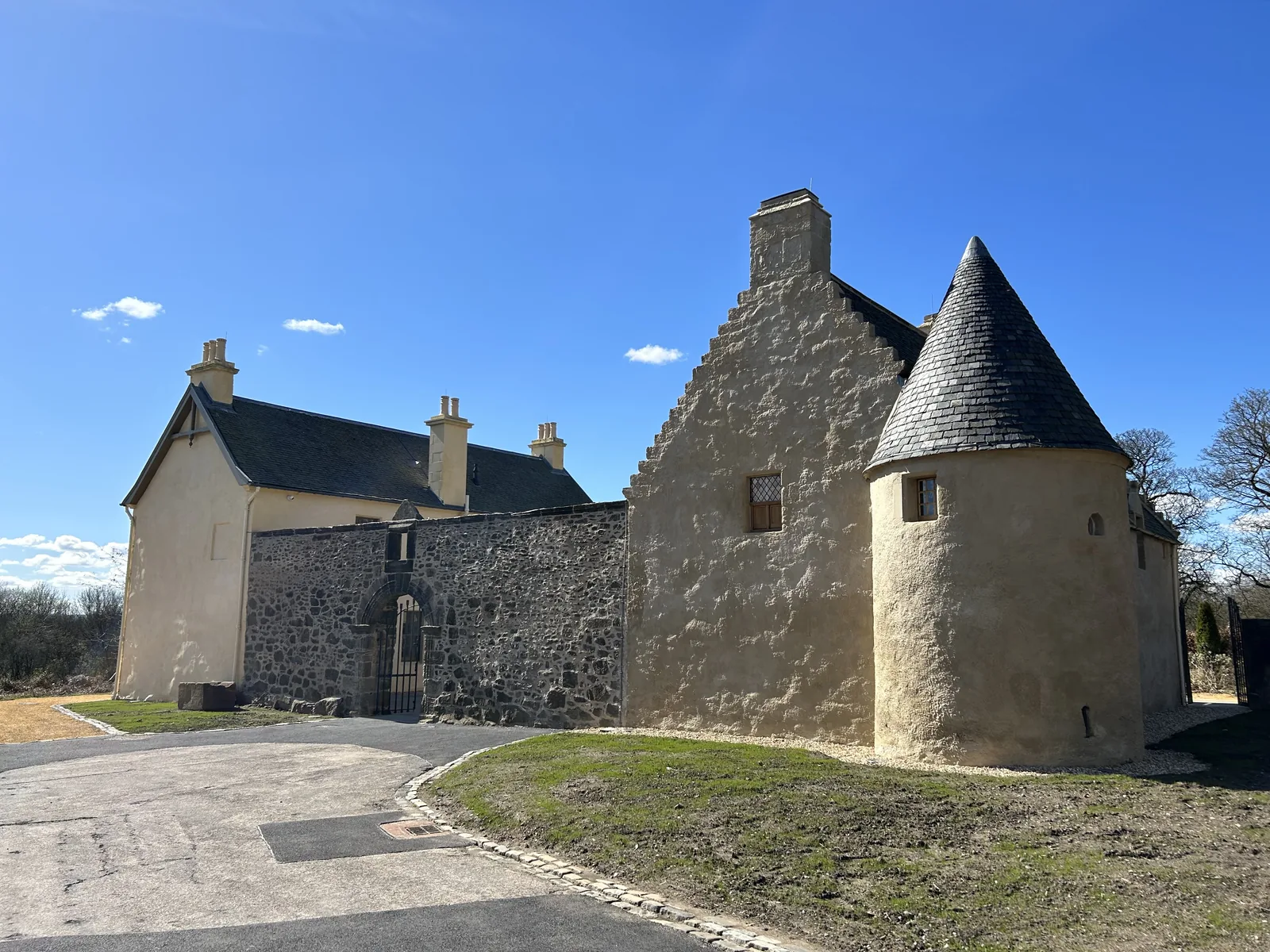
- Provan HallCase study →
- Coxton TowerCase study →
- Relief Land and Ark Land, InverarayCase study →
- Cowane's Hospital, StirlingCase study →
- Rock House, EdinburghCase study →
- Balnacraig HouseCase study →
- Ellangowan, BanchoryCase study →
Next service
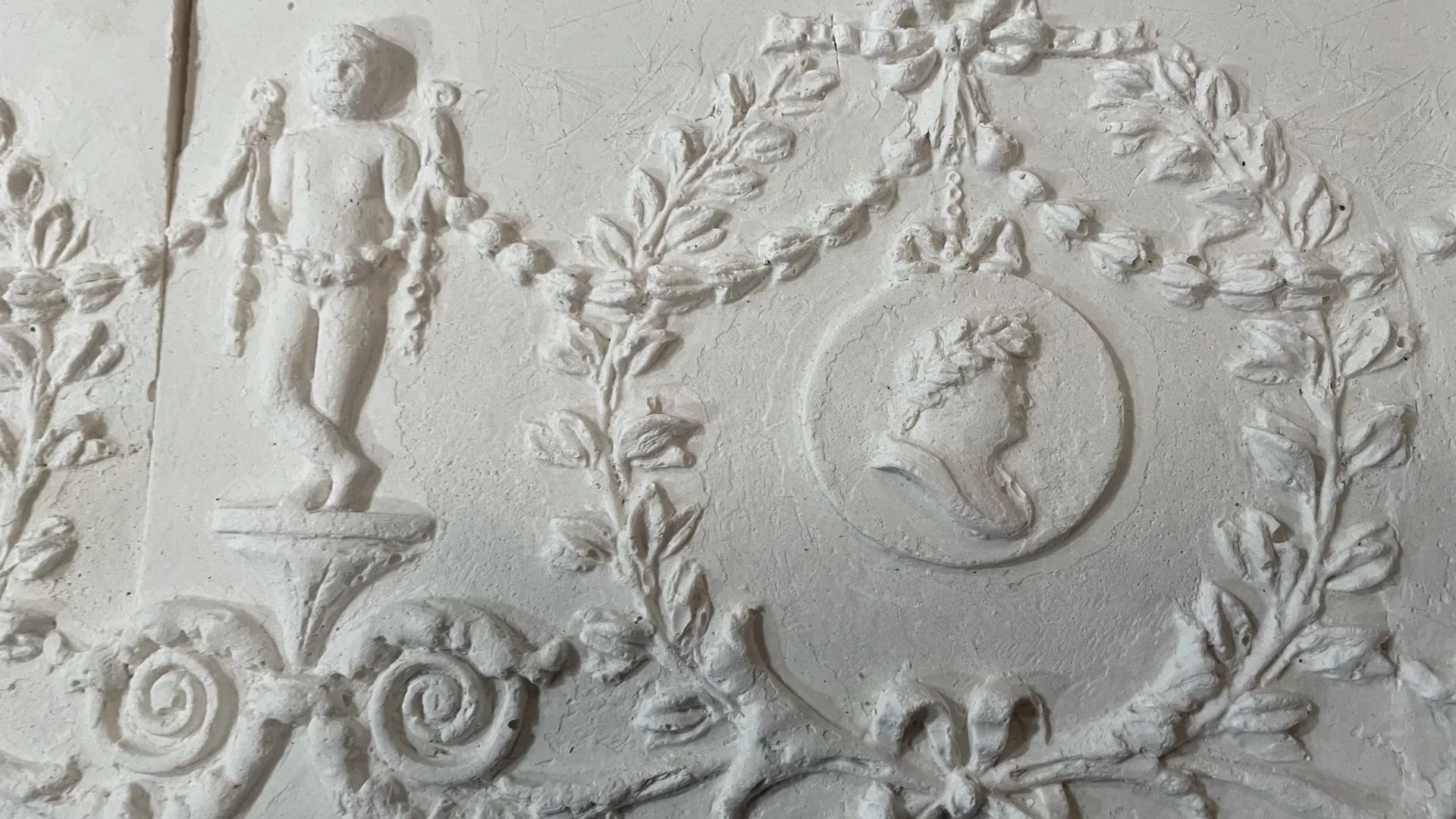
Lime Plastering
Plain, lath and plaster, decorative and cast work