Scheduled monument conservation:
Dunyvaig Castle
Isle of Islay · 2026
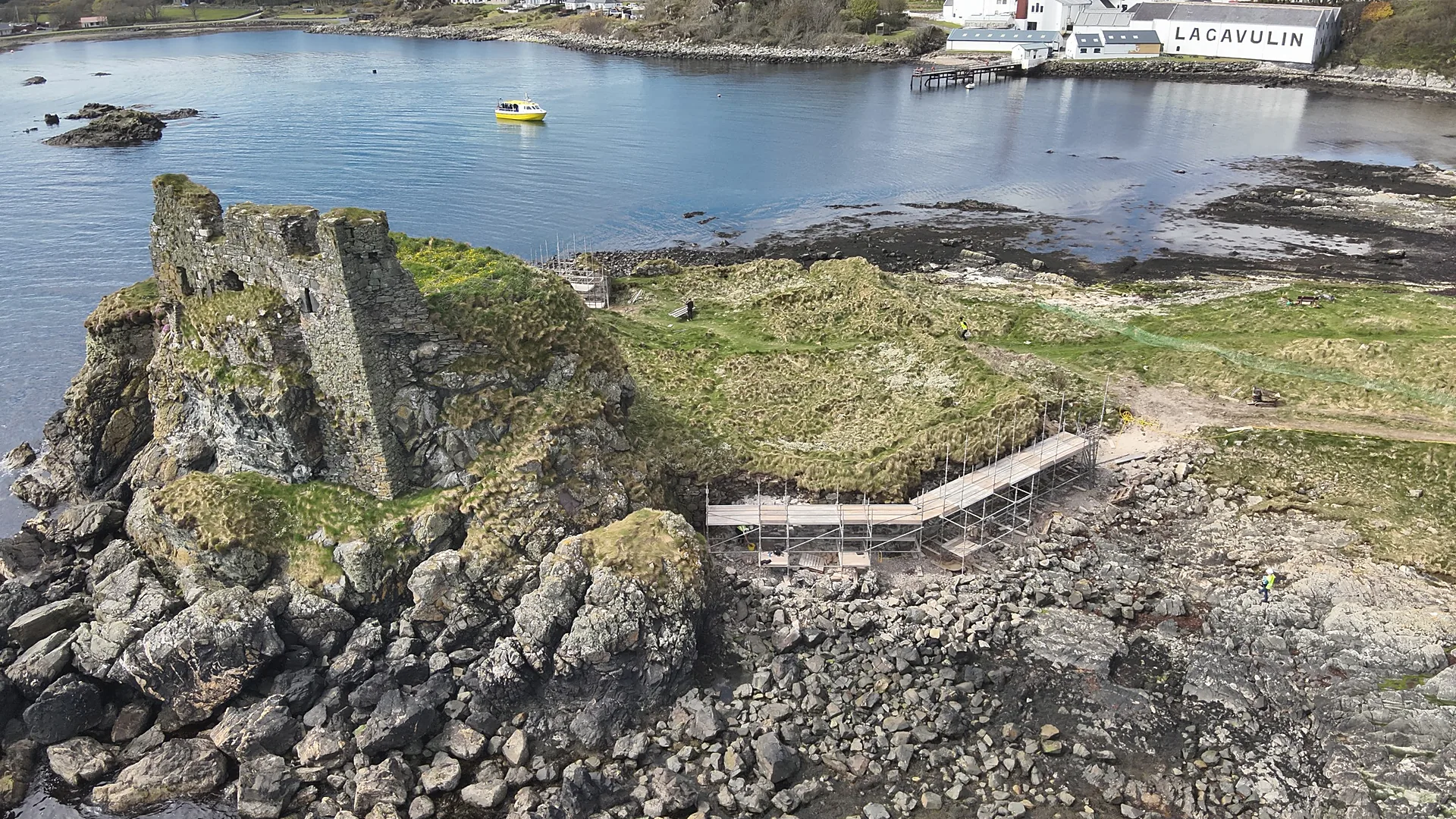
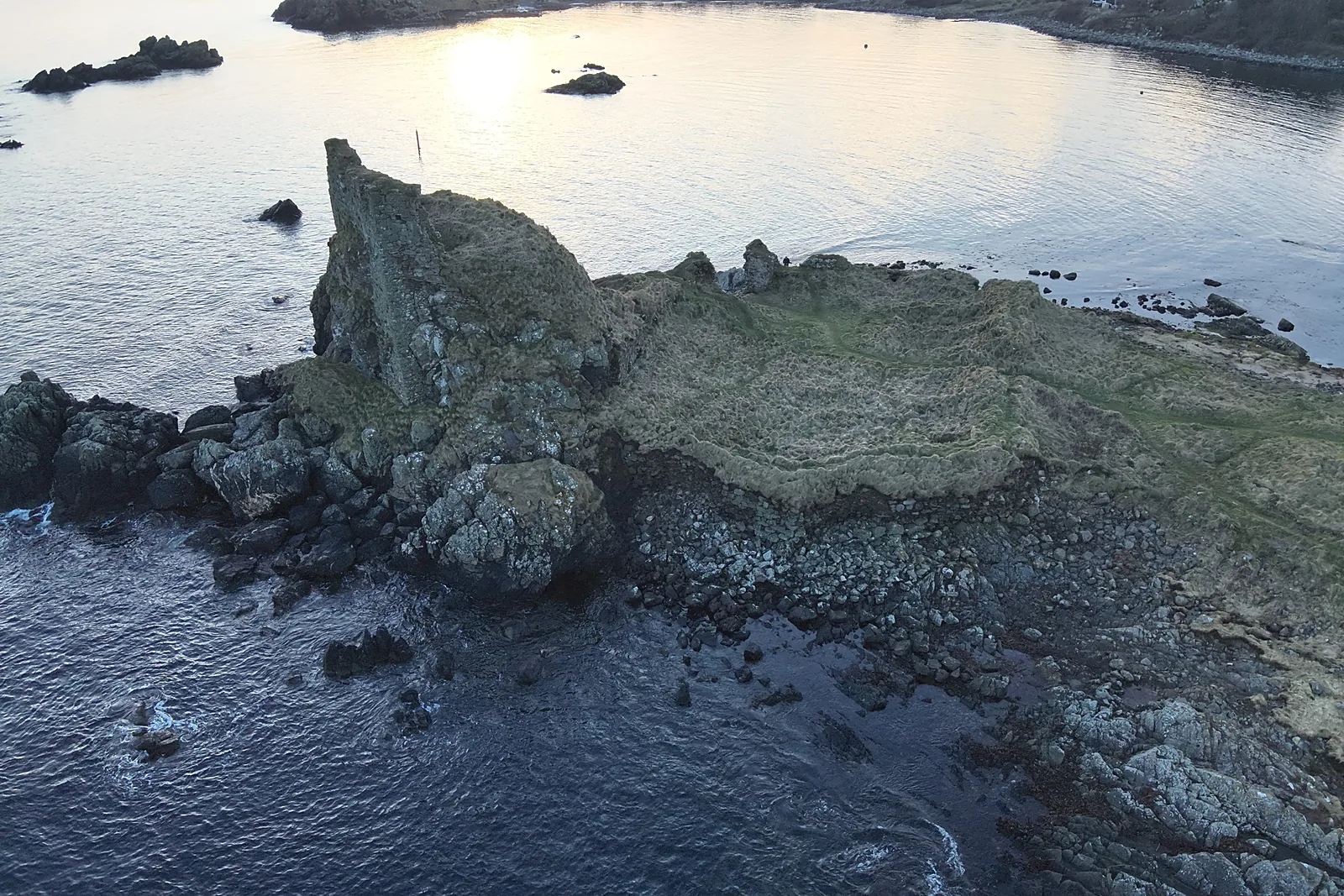
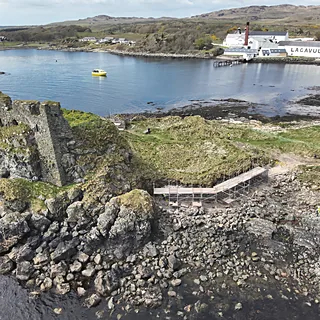
Dunyvaig Castle stands on a rocky promontory in Lagavulin Bay on the south coast of Islay. A stronghold of the MacDonalds of Dunyvaig, later held by royal garrisons and the Campbells until it was largely demolished in 1677, its surviving walls are predominantly sixteenth century on much earlier foundations. Today it is a Scheduled Monument, exposed to wave action and Atlantic weather. For Islay Heritage, working with Simpson & Brown, Narro Associates, Argyll Archaeology and Historic Environment Scotland, we carried out the first phase of repairs to the Outer Courtyard, the Seagate and the shoreline beneath it.
Before & after
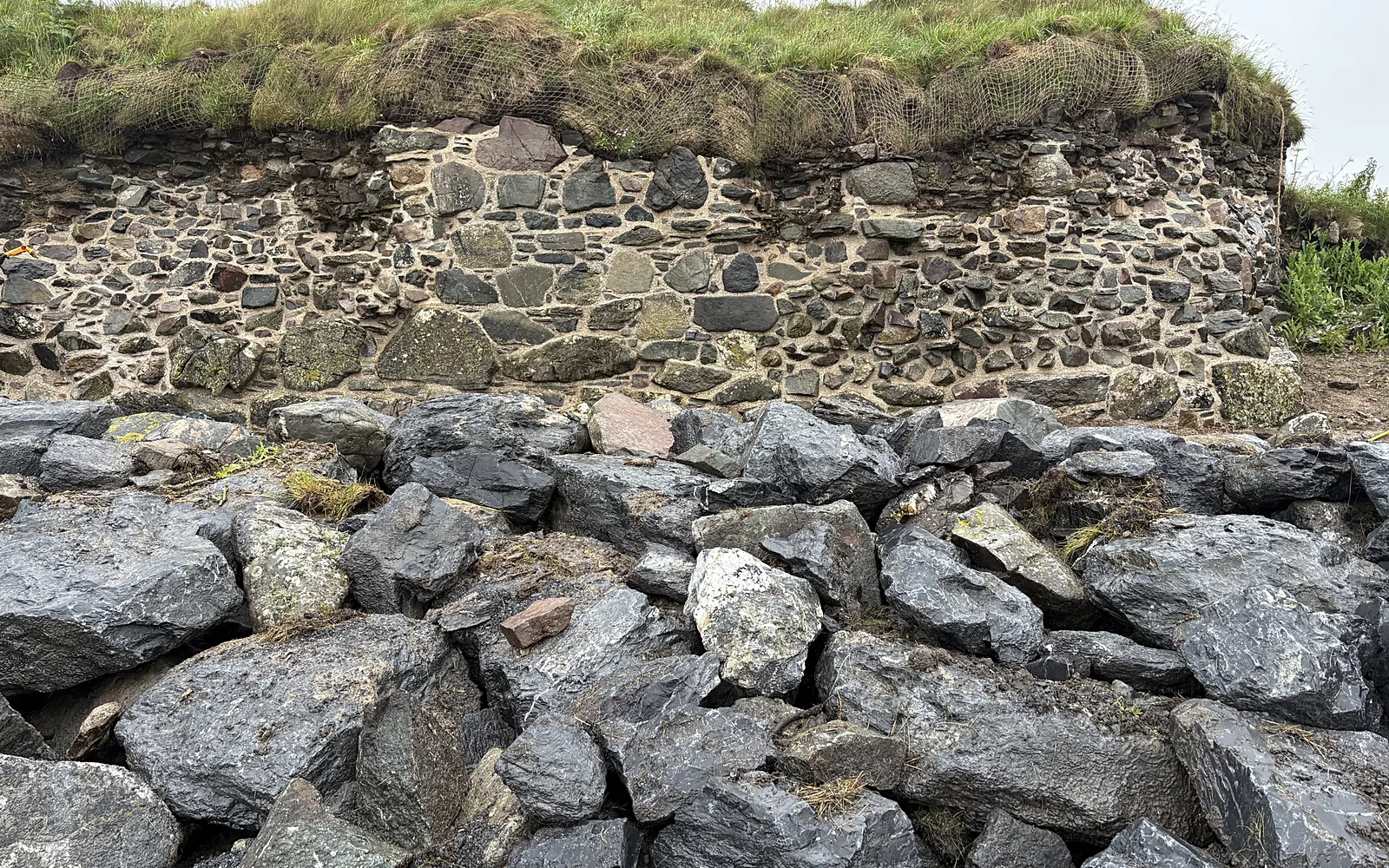
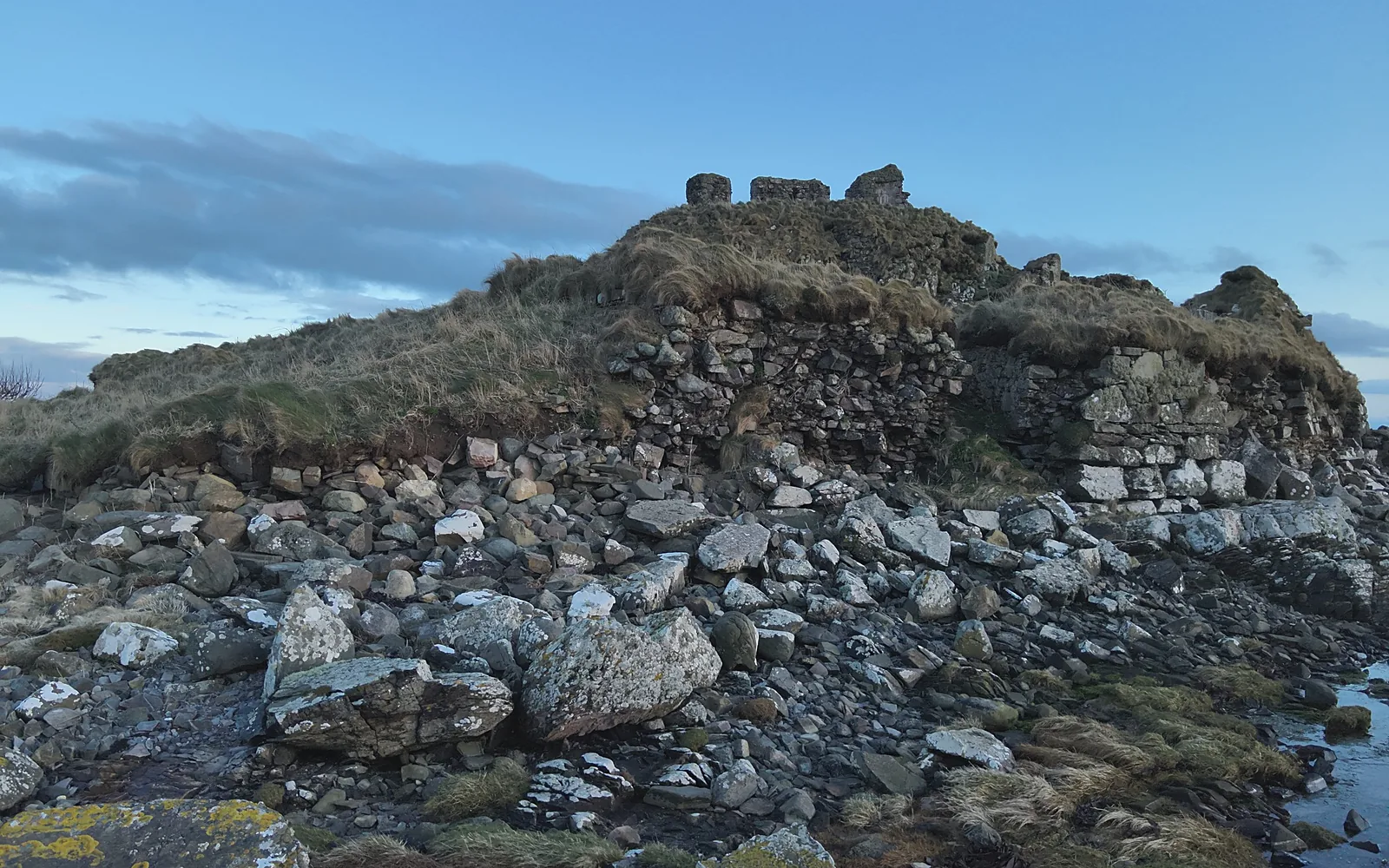
Drag across the image to compare the building before our work and after completion.
 BeforeAfter
The challenge
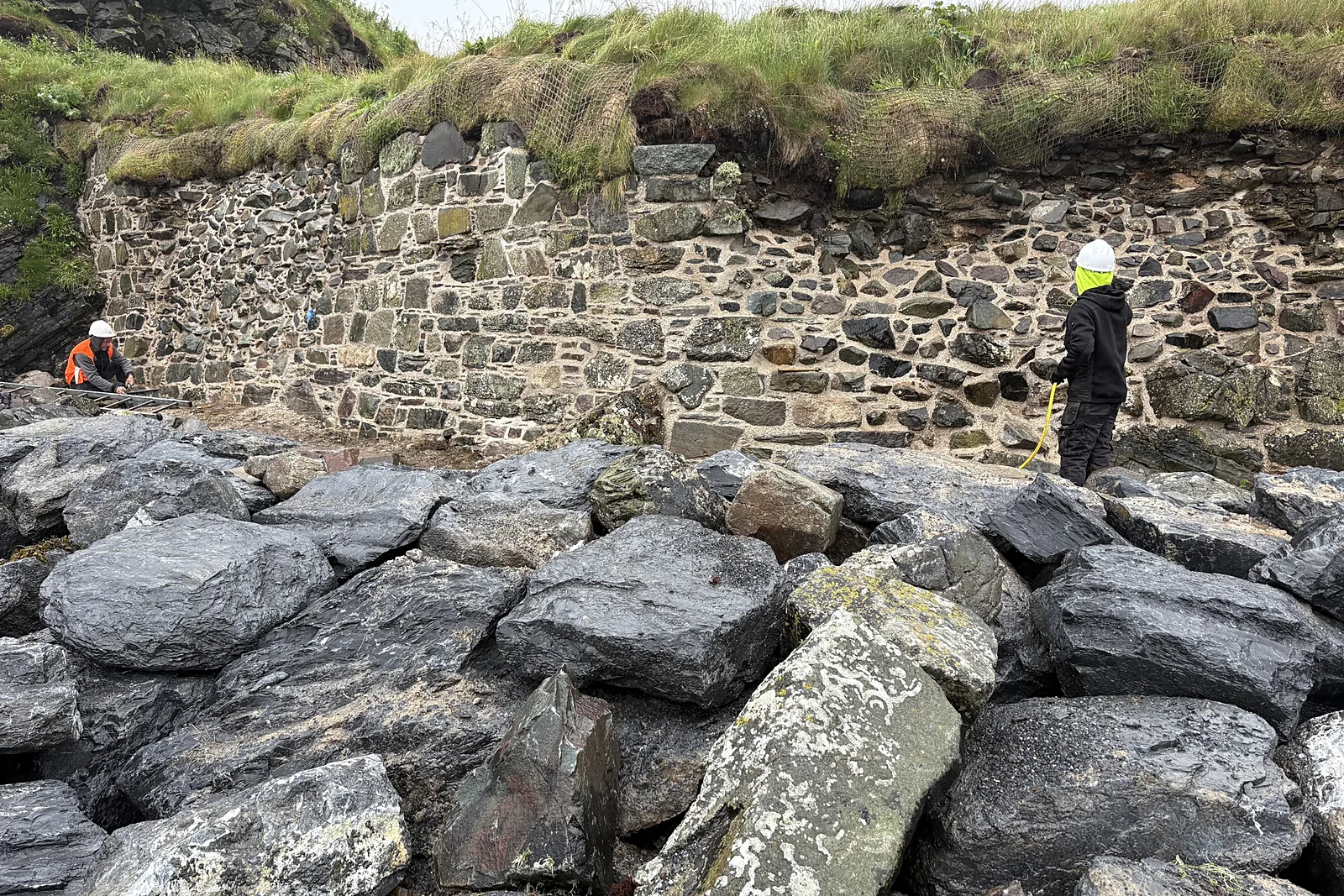
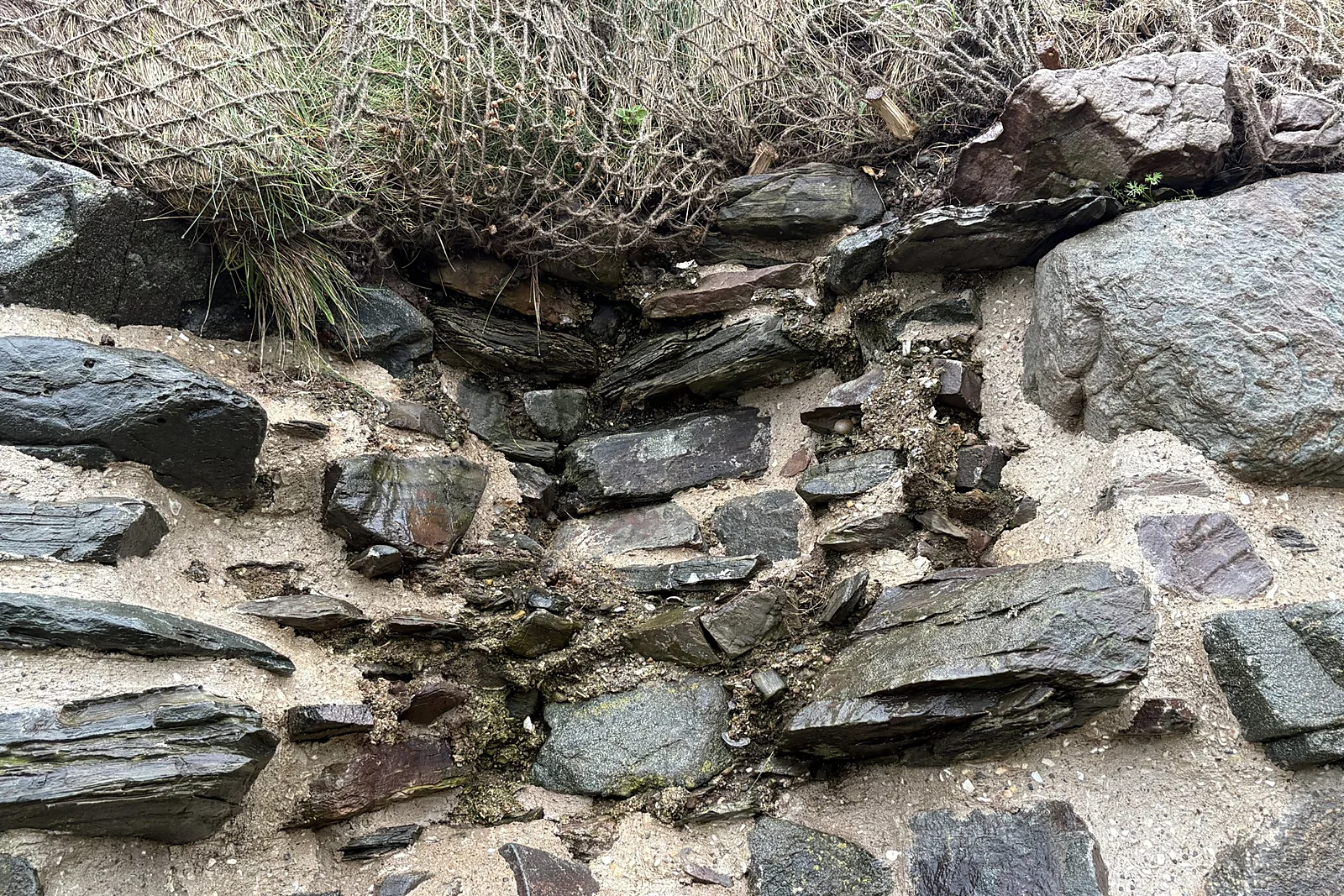
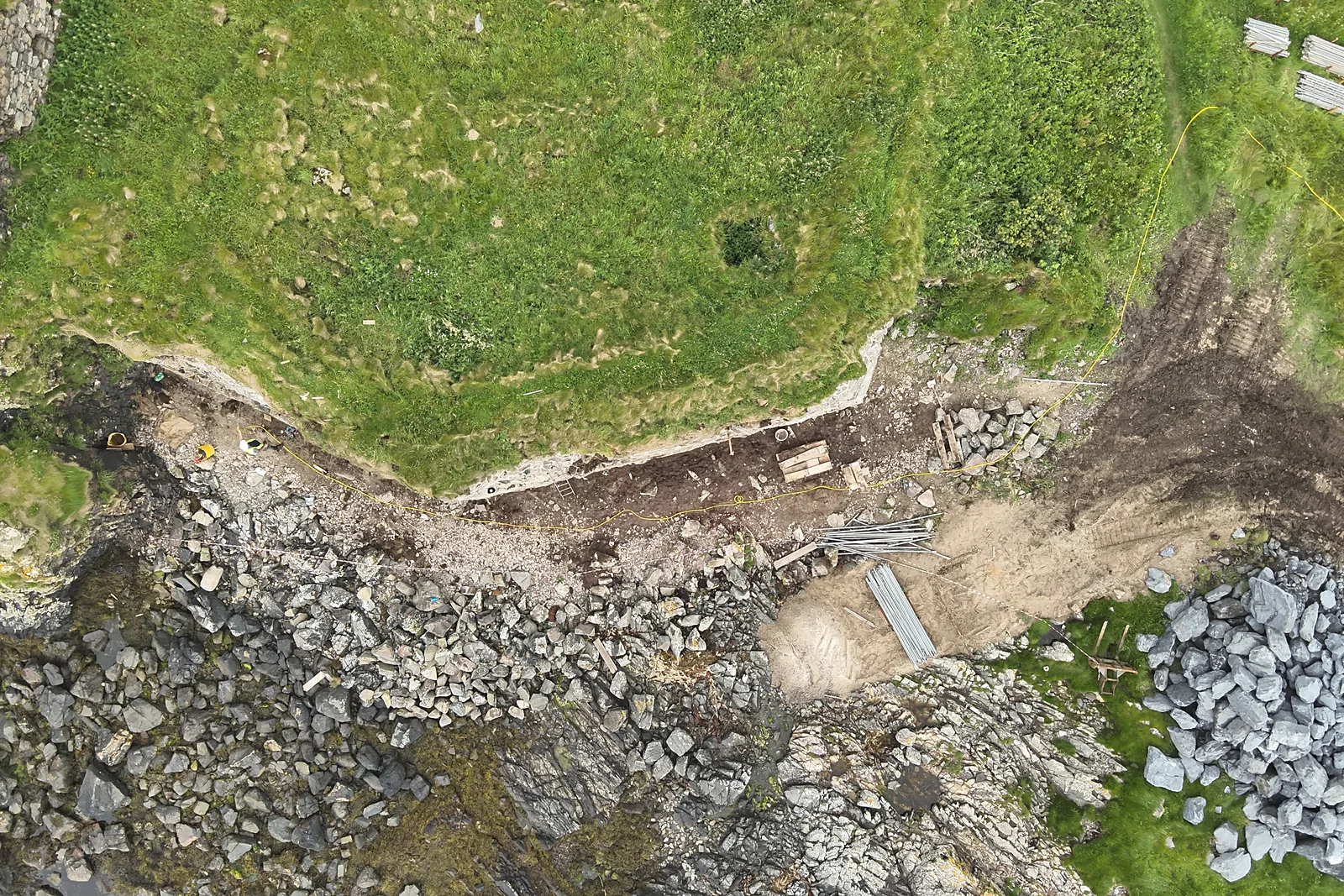
The sea walls were being undermined by the tide, with fallen rubble, lost facing stone, open voids and overhanging wallheads held together by turf and roots. Every intervention had to satisfy Scheduled Monument Consent, with an archaeologist present for all turf, soil and stone removal and no stone brought in for the masonry. The site is remote, reached by a single track and tidal foreshore, so scaffolds had to be free-standing and weighted from bedrock, materials and labour planned around ferry crossings and tides, and the team based on the island for the duration.
Our solution
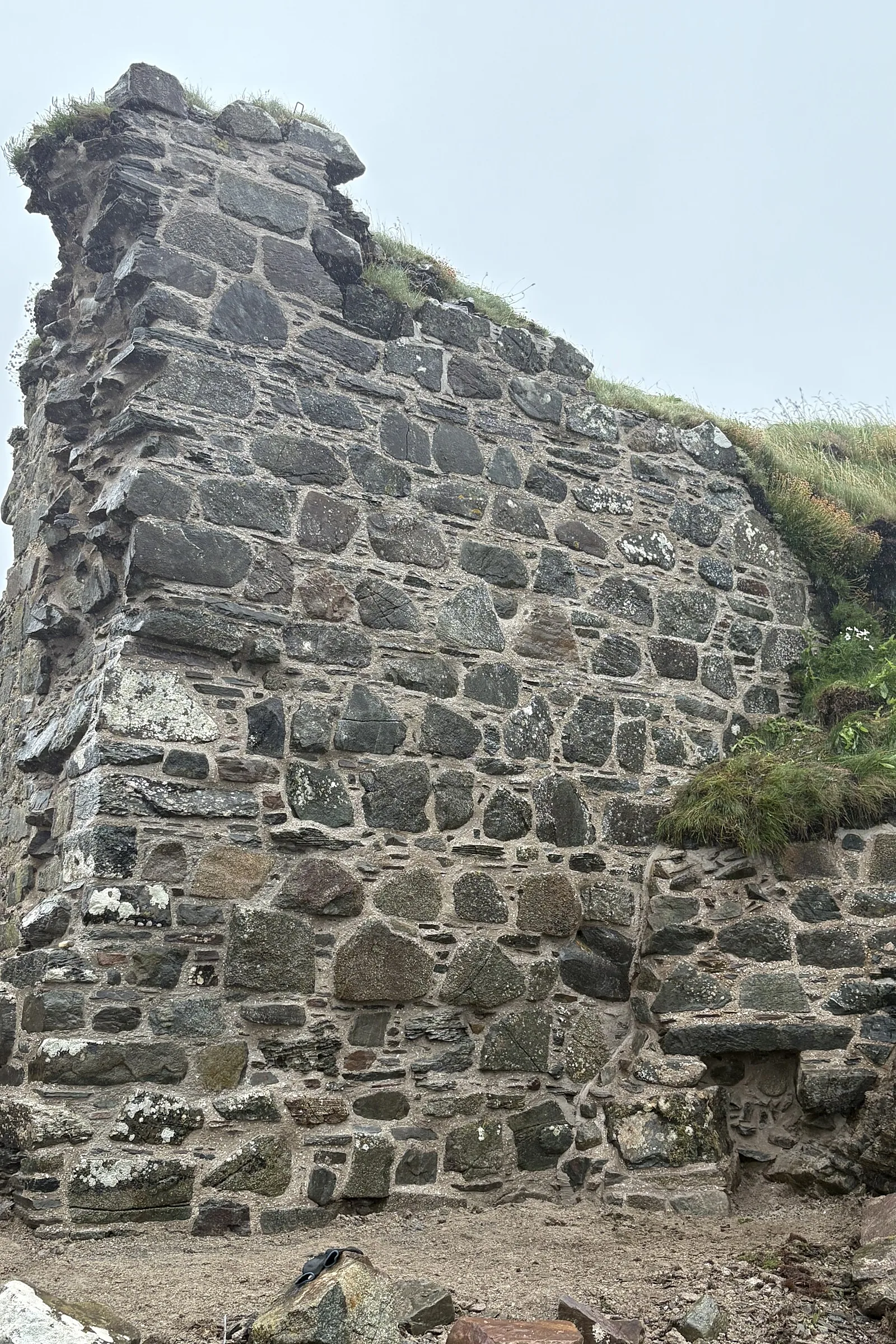
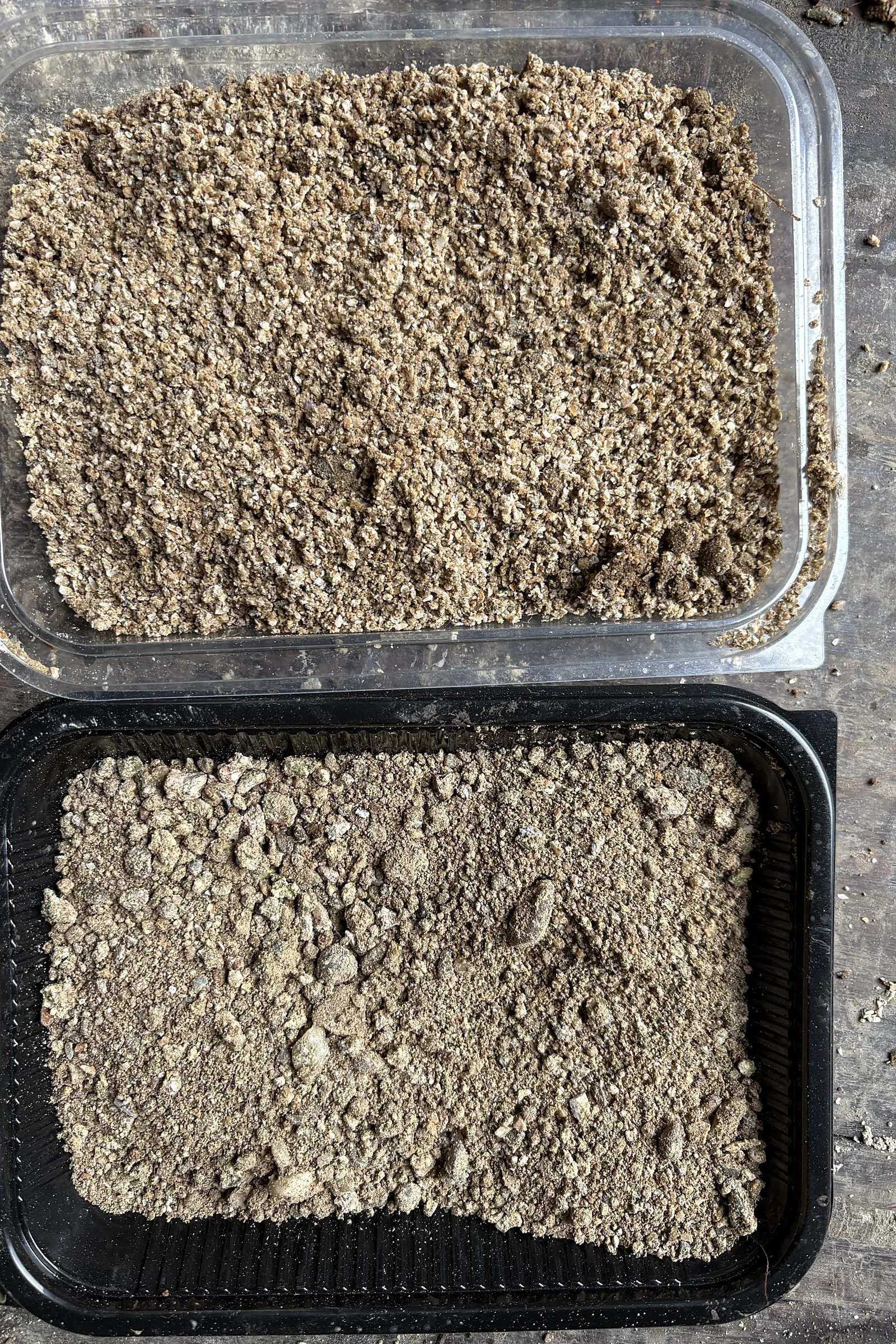
We approached the castle with a minimal-intervention, conserve-as-found philosophy, agreeing every repair type with the design team on site before work began. Sample panels and mortar trials led to an approved hydraulic lime mix using local beach sand and crushed cockle shell, tooled to match the historic mortar. Deep voids were cleared and packed with hand-picked foreshore stone, exposed core consolidated and pinned, and lost facing stone rebuilt to the existing coursing, worked in short sections from the edges inward so the fabric was supported throughout. Where the drawn details did not suit what we found, we proposed alternative repairs on marked-up photographs, which the architect and engineer reviewed and adopted. The wallheads were made safe and given a soft topping of salvaged turf, pinned under biodegradable netting with hazel spars, after the archaeologist confirmed a 1615 earth rampart beneath the east wall should be left undisturbed. Finally, rock armour was placed at the foot of the walls to break the force of the sea.
“The work undertaken has been fantastic and I've been impressed by everyone involved working as such an effective team.”
Professor Steven MithenIslay Heritage
Outcomes
A monument made stable
Sea walls, Seagate stacks and wallheads consolidated in lime, with lost fabric rebuilt in local stone.
Protected from the sea
Rock armour now absorbs wave energy at the base of the walls, slowing further loss of fabric.
Collaboration that works
Repair details agreed on site with the architect, engineer, archaeologist and Historic Environment Scotland, whose team were reported to be impressed with the finished work.
Have a similar building?
Tell us about it and we’ll come back to you with how we’d approach it.
One of 1,000+ projects
More castles & towers
- Aldourie CastleCase study →
- Ballindalloch CastleCase study →
- Brodie Castle Roof Repairs 2026Case study →
- Coxton TowerCase study →
- Craigievar CastleCase study →
- Drum CastleCase study →
- Drum Castle, Old Tower (consultancy)Case study →
- Fairburn TowerCase study →
- Glamis Castle Dining Room CeilingCase study →
- Inverness CastleCase study →
- Inverness Castle North TowerCase study →
- Rosslyn CastleCase study →
Next project
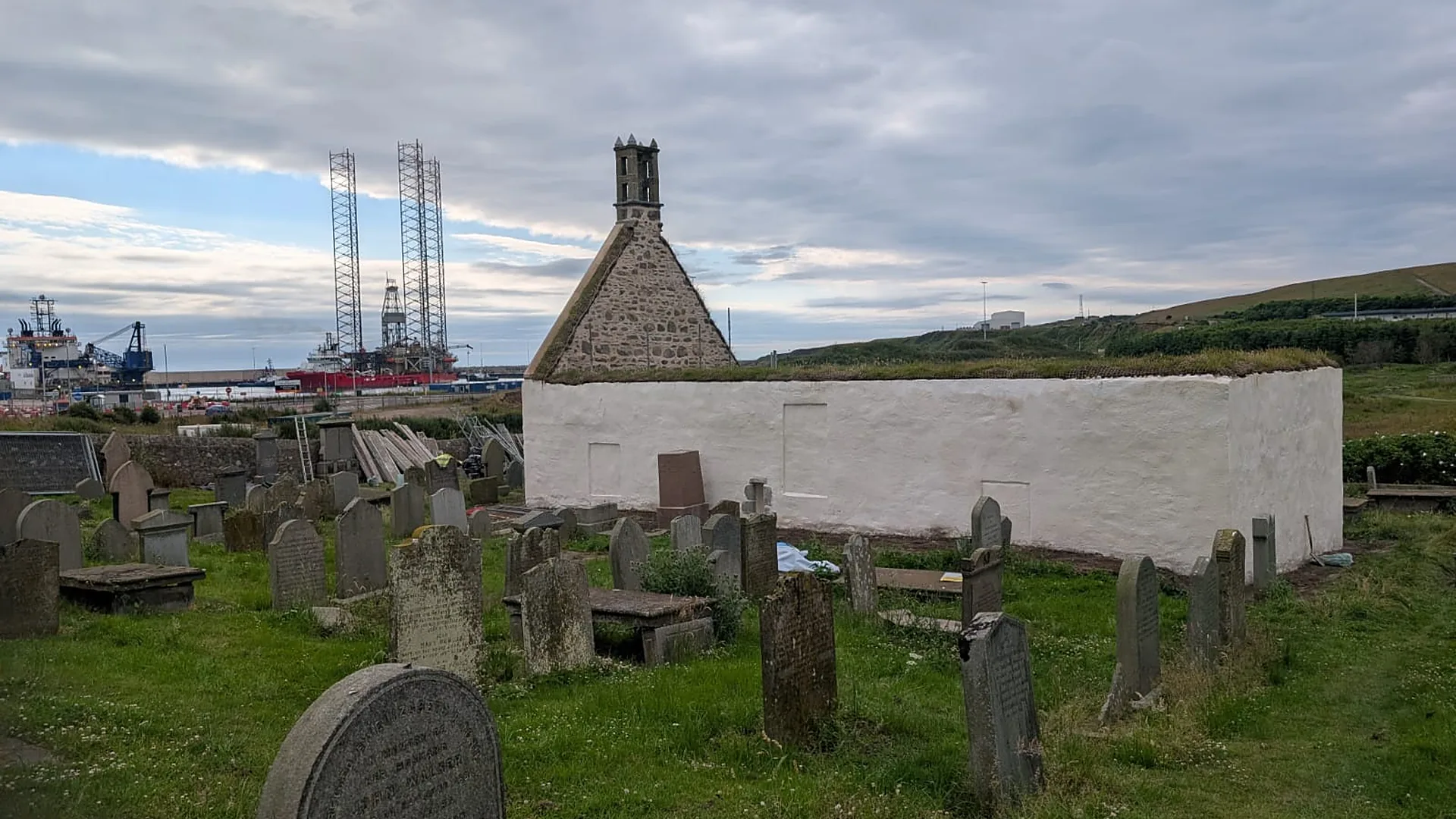
St Fittick's Church
Aberdeen